The Hidden Power of Beets: Why This Simple Root Vegetable Is Gaining So Much Attention
For years, beets sat quietly in grocery stores while people spent hundreds of dollars chasing the newest health trends, expensive supplements, and miracle drinks. But now, more nutrition experts are paying attention to this deep-red root vegetable for one simple reason: it may naturally support energy, circulation, heart health, and overall wellness in ways many people never realized.
What makes beets so special starts with their naturally high nitrate content. After you eat them, your body converts those nitrates into nitric oxide, a compound that helps relax and widen blood vessels. This process improves blood flow throughout the body, allowing oxygen and nutrients to travel more efficiently to muscles, organs, and even the brain.
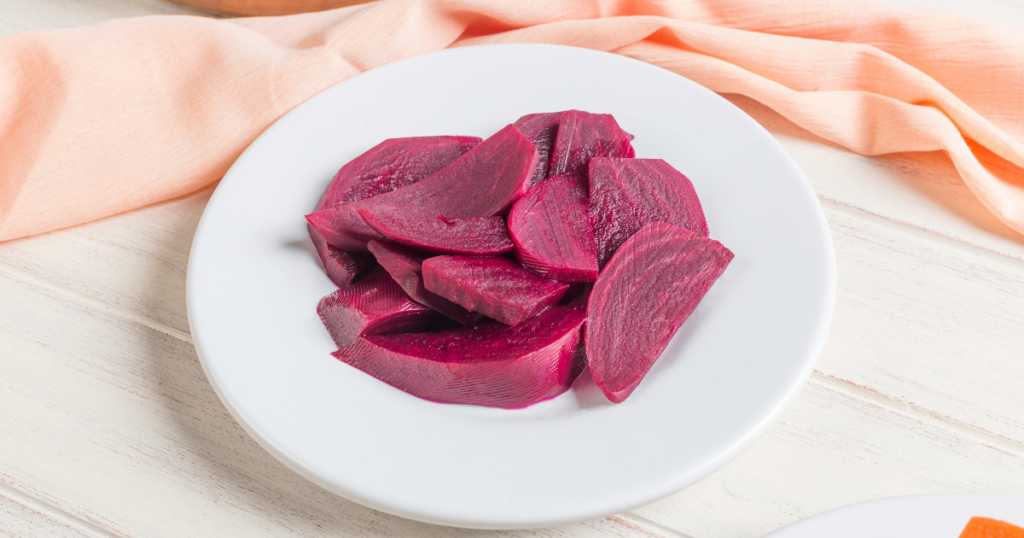
That improved circulation is one reason athletes have loved beet juice for years. Better oxygen delivery can help support endurance, stamina, and recovery after physical activity. But you do not need to be a professional athlete to notice the difference. Many people report feeling more energized, mentally focused, and less sluggish throughout the day after adding beets to their diet regularly.
Beets are also packed with fiber, which plays a major role in digestive and metabolic health. Fiber helps support healthy gut bacteria while also slowing the absorption of sugar into the bloodstream. This may help reduce energy crashes and support more balanced blood sugar levels during the day.
Another reason beets stand out is their rich color. That deep red pigment comes from powerful plant compounds called betalains. These natural antioxidants help the body fight oxidative stress and inflammation, two issues linked to many chronic health problems. Some research also suggests these compounds may support liver function and help the body process toxins more efficiently.
Beyond that, beets contain important nutrients like folate, potassium, manganese, and iron. Folate helps support healthy cell growth and repair. Potassium assists with fluid balance and muscle function. Iron supports oxygen transport throughout the body, while manganese contributes to bone and metabolic health.
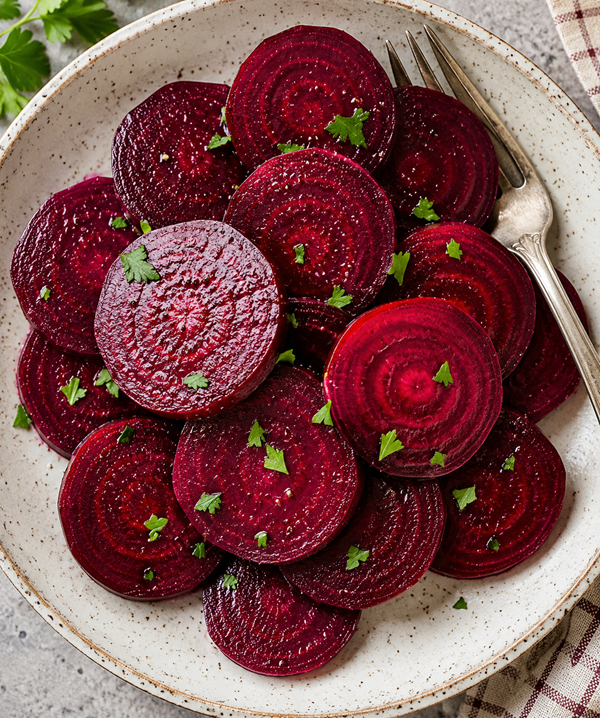
Still, it is important to keep expectations realistic. Beets are healthy, but they are not magic. They will not instantly melt fat away or cure serious medical conditions overnight. In some cases, drinking large amounts of beet juice may affect blood sugar levels, especially for people with diabetes. Others may notice harmless red or pink urine after eating beets, which can look alarming if you are not expecting it.
People who have kidney stone issues may also need to monitor their intake because beets contain oxalates, compounds that can contribute to stone formation in sensitive individuals. And if you take medication for blood pressure, it is always smart to speak with a healthcare professional before dramatically increasing beet consumption.
The best way to enjoy the benefits of beets is through consistency, not extremes. You do not need a complicated cleanse or expensive detox plan. Roasted beets make a great side dish, raw beets can be shredded into salads, and beet soup has been enjoyed for generations in many cultures. Even adding small amounts regularly may help support long-term wellness.
In a world filled with flashy health trends and expensive products, beets are a reminder that sometimes the simplest foods can quietly deliver the biggest benefits. This humble root vegetable may not look impressive sitting on a grocery shelf, but inside it carries nutrients that support the body from the inside out.
Related Posts


About The Author

John Simmon
John Simmon is a music journalist and entertainment writer with a passion for country music culture, artist stories, and the moments that happen off the stage. He has been following the country music scene for over a decade, covering everything from chart-breaking newcomers to the legends who shaped the genre. John believes the best stories in country music aren't always found in the music, they're found in the lives behind it.
