The Last Song: How Willie and Merle Said Goodbye Without a Word
It wasn’t meant to be a farewell—but looking back, it was. The last time Willie Nelson and Merle Haggard stepped into a studio, they cut “Missing Ol’ Johnny Cash” not for radio play, but for a friend. They barely spoke. A nod here, a glance there—the kind of quiet understanding only lifelong brothers share. As Willie’s worn-in tenor met Merle’s weathered growl, the song stopped being a tribute and became a final, gentle statement about what it means to be the ones still standing.
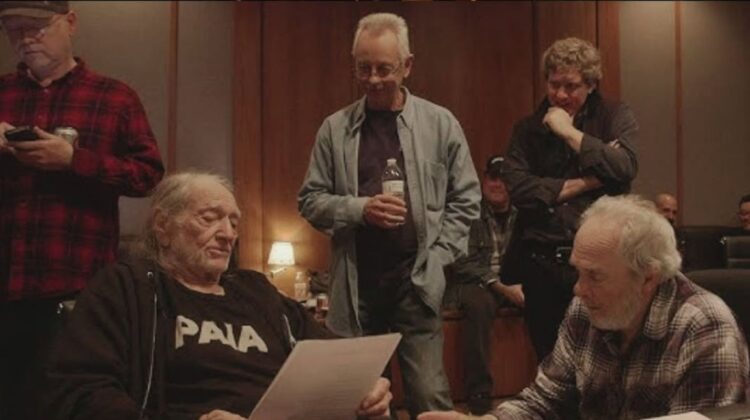
Singing to the Empty Chairs
They didn’t arrive as legends. They came as old friends with guitars and history. No fanfare, no speech—just work they knew by heart. “Missing Ol’ Johnny Cash” felt less like a title and more like a confession. It was a conversation with Johnny, and—between the lines—with Waylon too.
From the first take, the room felt different. Willie’s voice carried the weight of years without trying to. Merle’s baritone didn’t perform; it testified. Together they offered memory, regret, and respect in equal measure, not to an audience, but to the ghosts that shaped them.
Between takes, silence did the talking. A slight smile, a small tilt of the head—that was enough. They weren’t playing for charts or producers. They were playing for the men who weren’t there and for the hard honor of being among the last to tell the story.
The Unspoken Final Chord
When the last note faded, no one rushed to fill the quiet. There was no “that’s a wrap,” no applause—just a stillness that felt like closing a book. They must have known, not with words but with the kind of knowing age gives you, that a chapter had ended.
It wasn’t planned. It wasn’t announced. But in that dim room, two voices found each other one more time and said goodbye without saying a thing.
That recording wasn’t just a song. It was a eulogy poured into music—a final toast to Johnny, to Waylon, and to the wild, untamable fire of the outlaw era they had forged together. It would be the last time they ever shared a studio.
Related Posts
-
 Chris Stapleton’s Surprise Serenade To Morgane Stuns Madison Square Garden
-
 The story of talent, family, and tragedy of two siblings whose artistic contributions were cut short but whose legacy remains alive
-
 Trump Supporters Spot Alarming Detail in New Photo, Sparking Questions
-
 Super Bowl Viewers Divided as Camera Pans to Donald Trump During National Anthem
About The Author

John Simmon
Am a Public health specialists,trained professionals who’s focus is on developing conditions where people can be healthy. I work to make my community as healthy as possible.
