9 Things That May Change After 80 And How to Make the Most of Them
Turning 80 is a remarkable milestone. Life after 80 can bring new challenges, but it can also offer freedom, wisdom, stronger appreciation for family, and a different perspective on what truly matters.
Some changes are natural parts of aging, while others vary greatly from person to person. Understanding what may change can help older adults prepare, stay independent, and enjoy this stage of life with confidence.
Here are 9 common changes that may become more noticeable after age 80—and practical ways to adapt.
1. You May Have Less Energy
You may notice that activities that once felt effortless now require more breaks.
Long shopping trips, household chores, or busy days with family can leave you more tired than before.
That doesn’t mean you have to stop being active.
What can help:
- Take regular breaks.
- Keep a consistent sleep schedule.
- Stay physically active within your abilities.
- Eat nutritious meals and stay hydrated.
- Talk with a healthcare professional about persistent or unusual fatigue.
The goal isn’t to do everything at the same speed as you did at 40. It’s to find a pace that works for you now.

2. Balance and Mobility May Become More Important
Getting around safely can require more attention as we age.
Stairs, slippery floors, uneven sidewalks, and clutter around the home can become bigger concerns.
Simple adjustments can make everyday life easier.
Consider better lighting, removing loose rugs, installing handrails, and using appropriate mobility equipment when recommended.
Independence doesn’t mean refusing help. Sometimes the right support is what allows you to remain independent.
3. Your Social Circle May Change
One of the more emotional realities of aging is that friendships and family relationships can change.
Some friends may move away, retire from activities, or pass away. Children and grandchildren may also become busy with their own lives.
That’s why staying connected matters.
A weekly phone call, community activity, hobby group, church or community gathering, or regular visit with family can make a meaningful difference.
4. Your Senses May Not Be Quite the Same
Changes in hearing and vision become more common with age.
You might find yourself turning up the television, needing brighter lighting to read, or having more difficulty seeing in low-light environments.
Don’t simply assume these changes are something you must accept without evaluation.
Regular vision and hearing checks can help identify problems and determine whether treatment, glasses, hearing aids, or other support could help.
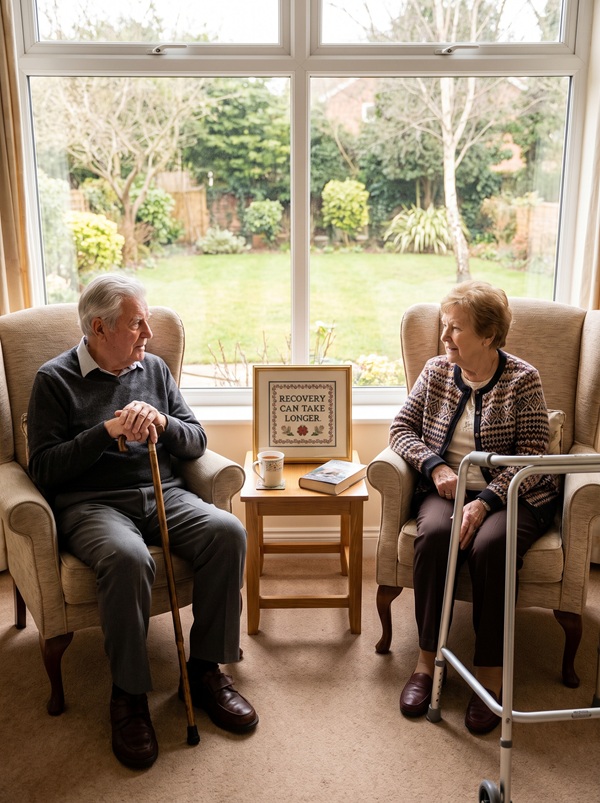
5. Recovery Can Take Longer
After 80, your body may need more time to recover from illness, injury, travel, or even an unusually busy day.
That means rest becomes part of your routine rather than something you feel guilty about.
Rest isn’t laziness. It’s part of taking care of yourself.
Give your body the time it needs, and seek medical advice when a change in your health is significant, sudden, or persistent.
6. Your Home May Need to Change With You
A house that worked perfectly for decades may eventually become less convenient.
A bedroom upstairs, a bathtub that’s difficult to enter, or a kitchen with hard-to-reach cabinets can create unnecessary challenges.
Small modifications can make a major difference:
- Brighter lighting
- Grab bars
- Handrails
- Non-slip surfaces
- Easier-to-reach storage
- Clear walking paths
- Comfortable seating
Your home should adapt to your life—not the other way around.
7. You May Become More Selective About Your Time
This can actually be one of the best parts of getting older.
After decades of work, responsibilities, and obligations, many people become less interested in pleasing everyone.
You may start asking:
“Does this really matter to me?”
Family, friendships, peace, hobbies, travel, nature, and simple everyday pleasures can become more valuable than impressing other people.
That’s not selfish.
It’s recognizing that your time is precious.
8. Small Moments May Mean More
A cup of coffee in the morning.
A conversation with an old friend.
A grandchild’s laugh.
A favorite song.
A quiet afternoon in the garden.
After 80, ordinary moments can carry extraordinary meaning.
You may find yourself appreciating things that once seemed too small to notice.
And perhaps that’s one of the hidden gifts of growing older: learning to recognize how beautiful an ordinary day can be.
9. Your Priorities May Change
Life after 80 can bring a different understanding of what really matters.
You may care less about possessions and more about people.
Less about being busy and more about being present.
Less about proving yourself and more about enjoying the life you’ve built.
That perspective can be incredibly valuable—not only for seniors, but for everyone around them.

How to Thrive After 80
Growing older isn’t simply about dealing with limitations. It’s also about adapting wisely.
Try to focus on the things you can influence:
Stay connected.
Keep relationships alive and make time for people who matter.
Keep moving.
Choose safe physical activity appropriate for your abilities.
Protect your independence.
Make practical changes before a problem becomes an emergency.
Keep learning.
Read, listen to music, learn technology, play games, pursue hobbies, or explore something you’ve always wanted to try.
Ask for help when you need it.
Accepting assistance can be a sign of wisdom, not weakness.
The Beautiful Side of Growing Older
The number 80 doesn’t define a person.
Someone can be 80 and learning something new.
Someone can be 85 and starting a new hobby.
Someone can be 90 and still making beautiful memories with family.
Aging brings changes, but it doesn’t erase personality, curiosity, humor, love, or purpose.
The goal isn’t to pretend you’re the same person you were decades ago.
The goal is to make the most of the person you are today.
Frequently Asked Questions
What is the biggest change after age 80?
There isn’t one universal change. Physical strength, mobility, senses, social connections, energy, and daily routines may all change, but everyone’s experience is different.
Can people remain independent after 80?
Absolutely. Many people remain independent well into their 80s and beyond. Staying active, maintaining social connections, managing health conditions, and making appropriate home modifications can support independence.
Is feeling tired more often normal after 80?
Some reduction in energy can occur with aging, but significant, sudden, or persistent fatigue shouldn’t automatically be attributed to age. It’s worth discussing with a healthcare professional.
How can seniors stay socially connected?
Regular family calls, visits, community activities, volunteering, hobbies, exercise groups, and technology such as video calls can all help maintain meaningful connections.
Final Thoughts
Turning 80 isn’t the end of the story.
It’s another chapter.
Some things may become harder, but other things can become clearer. You may have less interest in rushing through life and more appreciation for the people, memories, and simple moments that make it meaningful.
Growing older changes many things—but it doesn’t take away your ability to love, laugh, learn, and create new memories. ❤️
Related Posts
-
 Mother’s Urgent Warning After 10-Year-Old Collapses During Ocean Play
-
Marty Robbins and “El Paso”: A Timeless Farewell to a Musical Saga
-
DC IS BURNING UP! Luke Bryan, Lee Greenwood, and Zac Brown Just Took Over The White House For A Historic UFC Celebration!
-
George Strait kicked off 2026 with a 28-song, two-hour set in Austin, and 15,000 fans showed up to sing every word.


About The Author

John Simmon
John Simmon is a music journalist and entertainment writer with a passion for country music culture, artist stories, and the moments that happen off the stage. He has been following the country music scene for over a decade, covering everything from chart-breaking newcomers to the legends who shaped the genre. John believes the best stories in country music aren't always found in the music, they're found in the lives behind it.
