How Stress and Diet Influence Chin Hair Growth in Wome
Chin hair in women is usually tied to hormones, but everyday habits—especially stress and what you eat—can have a real impact too. A few stray hairs are completely normal, but if growth becomes sudden or more noticeable, it may be your body’s way of signaling imbalance. The good news is that lifestyle changes can often help bring things back on track.
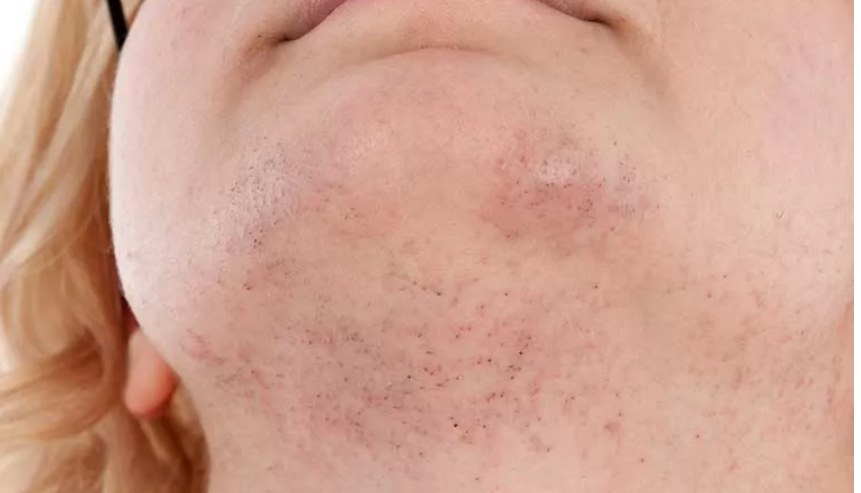
1. Stress and Hormonal Imbalance
Stress doesn’t just affect your mood—it directly impacts your hormones. When you’re under constant pressure, your body produces more cortisol, often called the stress hormone. High cortisol levels can throw off the balance between estrogen and androgens.
Androgens are responsible for stimulating hair growth in areas like the chin. When these hormones become more active, hair may appear thicker, darker, or grow faster. Chronic stress can also interfere with sleep, increase inflammation, and make it harder for your body to regulate itself, which can intensify these changes.

2. Diet and Its Effect on Hair Growth
What you eat plays a key role in hormone balance. Diets high in sugar and refined carbohydrates can lead to spikes in insulin. Elevated insulin levels can encourage the production of androgens, which may contribute to increased facial hair.
This connection is often seen in conditions like polycystic ovary syndrome (PCOS), where insulin resistance and higher androgen levels go hand in hand.
On the flip side, a balanced diet can support stable hormones. Foods rich in fiber, healthy fats, and lean proteins help control blood sugar and reduce inflammation. Vegetables, fruits, whole grains, and omega-3 fatty acids all support better hormonal health and overall well-being.
3. Nutrient Deficiencies Matter Too
Certain deficiencies can influence how your body manages hormones. Low levels of vitamin D, iron, or zinc may not directly cause chin hair, but they can contribute to imbalances that make it more noticeable.
Eating a varied, nutrient-rich diet is the best approach. Supplements can help in some cases, but it’s wise to use them with guidance from a healthcare professional.
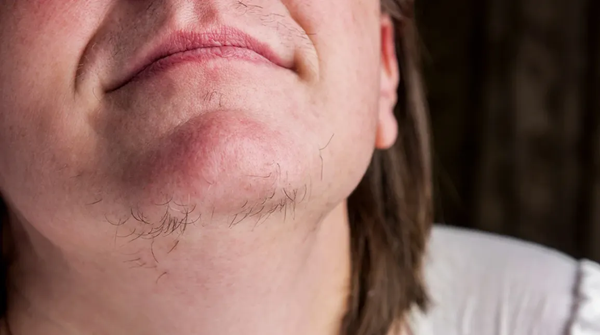
4. Daily Habits Make a Difference
Lifestyle ties everything together. Poor sleep, lack of movement, and ongoing stress can worsen hormonal imbalance. On the other hand, regular exercise, quality sleep, and stress management techniques can help your body function more smoothly.
Even small changes—like cutting back on sugar, improving your sleep routine, or taking time to relax—can gradually reduce unwanted symptoms.
5. When to Check with a Doctor
Some chin hair is completely normal and nothing to worry about. But if growth becomes excessive, appears suddenly, or comes with other symptoms like acne, weight changes, or irregular periods, it’s worth seeking medical advice.
A healthcare provider can help identify any underlying issues and guide you toward the right treatment.
6. Final Thoughts
Your body reflects your daily choices more than you might expect. Stress and diet may seem unrelated to chin hair, but they’re closely connected through your hormones. By managing stress and eating well, you support not just hormonal balance—but your overall health too.
Related Posts
-
 Prince William Opens Up About Concerns for Kate Middleton’s Health
-
 Miranda Lambert Helps Raise Over $350,000 at “Country vs. Cancer” for the American Cancer Society
-
 My Struggle After Inheriting 125K from Grandpa, Only to Have Mom Take It All
-
 Dennis Quaid Credits Faith for Overcoming Addiction: ‘Grateful Every Day for My Life
About The Author

John Simmon
John Simmon is a music journalist and entertainment writer with a passion for country music culture, artist stories, and the moments that happen off the stage. He has been following the country music scene for over a decade, covering everything from chart-breaking newcomers to the legends who shaped the genre. John believes the best stories in country music aren't always found in the music, they're found in the lives behind it.
