The Silent Aging Trap: 5 Hidden Changes That Can Catch You Off Guard After 70
Turning 70 is a remarkable achievement. It represents a lifetime of experiences, lessons, and memories that few younger generations can fully appreciate. Many people imagine these years as a peaceful chapter filled with retirement, family visits, hobbies, and well-earned relaxation. Yet beneath that comforting picture, important physical and mental changes are quietly taking place. While growing older does not automatically mean losing your independence, the years between 70 and 75 often bring some of the most noticeable changes in the aging process. Understanding what your body is experiencing can help you stay healthier, stronger, and more confident for years to come.
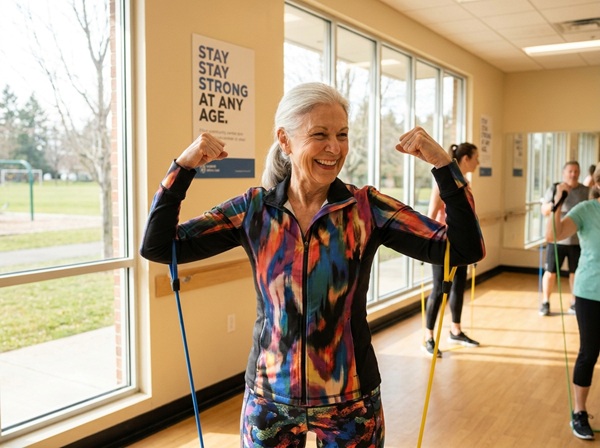
One of the biggest challenges after 70 is the faster loss of muscle mass, a condition known as sarcopenia. Although muscle decline begins gradually in adulthood, the process becomes much more noticeable during your seventies. Your muscles do far more than help you move around. They protect your joints, support your balance, and allow you to perform everyday tasks with ease. As muscle strength decreases, ordinary activities like carrying groceries, climbing stairs, standing from a chair, or walking moderate distances can suddenly feel exhausting.
This happens because the body no longer uses protein as efficiently as it once did, and muscles respond more slowly to exercise. For this reason, maintaining muscle strength becomes one of the most important parts of healthy aging. Regular strength exercises, even using light weights or resistance bands, combined with protein-rich foods such as eggs, fish, beans, dairy products, and lean meats, can make a significant difference in preserving mobility and independence.

Another major concern is balance. Many people think balance depends only on strong legs, but it actually involves several systems working together. Your eyes, inner ears, nerves, muscles, and brain constantly communicate to keep you upright. As these systems naturally slow with age, maintaining stability becomes more difficult. A stumble that might have been harmless decades ago can now result in a serious injury.
Equally important is the fear of falling. After experiencing even one fall or close call, many older adults begin limiting their physical activity. Unfortunately, becoming less active weakens the muscles even further, increasing the chances of another fall. Gentle exercises such as walking, tai chi, stretching, and balance training can help improve confidence while reducing the risk of injury.
Loneliness is another hidden issue that deserves serious attention. Retirement often changes daily routines, while friends may relocate, become ill, or pass away. Family members may also live farther away than they once did. Even people who have always enjoyed spending time alone can begin feeling isolated as their social circles become smaller.
Research continues to show that long-term loneliness affects much more than emotional well-being. It has been associated with faster cognitive decline, reduced immune function, and poorer overall health. Staying socially connected is just as important as eating nutritious meals or staying physically active. Whether through community activities, volunteer work, phone conversations, church groups, or regular visits with family and friends, maintaining meaningful relationships supports both mental and physical health.

Your body’s ability to regulate temperature also changes with age. This is one of the least recognized aspects of growing older, yet it can have serious consequences. Many older adults no longer feel thirsty until they are already dehydrated. Others may not immediately recognize when they are becoming dangerously hot or cold.
Because these natural warning signals become less reliable, prevention becomes essential. Drinking water throughout the day rather than waiting to feel thirsty is a smart habit. Dressing appropriately for changing weather, avoiding prolonged exposure to extreme heat, and staying warm during colder months can help prevent dehydration, heat exhaustion, or hypothermia.
Sleep patterns often change as well. Many people notice they wake up earlier than they used to or find themselves awake during the middle of the night. While the amount of sleep your body needs may remain similar, the quality of that sleep often declines. Less deep sleep can leave you feeling tired, forgetful, or less energetic during the day.
Instead of becoming frustrated, it helps to establish healthy sleep habits. Spending time outdoors in natural daylight helps regulate your internal clock, while reducing screen use before bedtime can encourage more restful sleep. Keeping a consistent bedtime and creating a calm evening routine may also improve sleep quality over time.
Perhaps the most valuable lesson for anyone between 70 and 75 is that small, consistent habits often produce the greatest long-term results. Healthy aging does not require perfection or extraordinary fitness. It depends on making thoughtful choices each day that protect your strength, mobility, and independence.
Most importantly, never assume every physical change is simply “part of getting old.” Many common concerns associated with aging can be improved through lifestyle adjustments, physical activity, better nutrition, or conversations with your healthcare provider. Asking for medical advice is not a sign of weakness. It is a practical step toward maintaining the highest possible quality of life.
Growing older brings new challenges, but it also brings the opportunity to care for yourself with greater wisdom than ever before. By paying attention to your body’s changing needs today, you give yourself the best chance to remain active, independent, and healthy for many years ahead.
Related Posts


About The Author

John Simmon
John Simmon is a music journalist and entertainment writer with a passion for country music culture, artist stories, and the moments that happen off the stage. He has been following the country music scene for over a decade, covering everything from chart-breaking newcomers to the legends who shaped the genre. John believes the best stories in country music aren't always found in the music, they're found in the lives behind it.
